The season for "Botan Nabe" has arrived again in Tamba Sasayama City, Hyogo Prefecture.
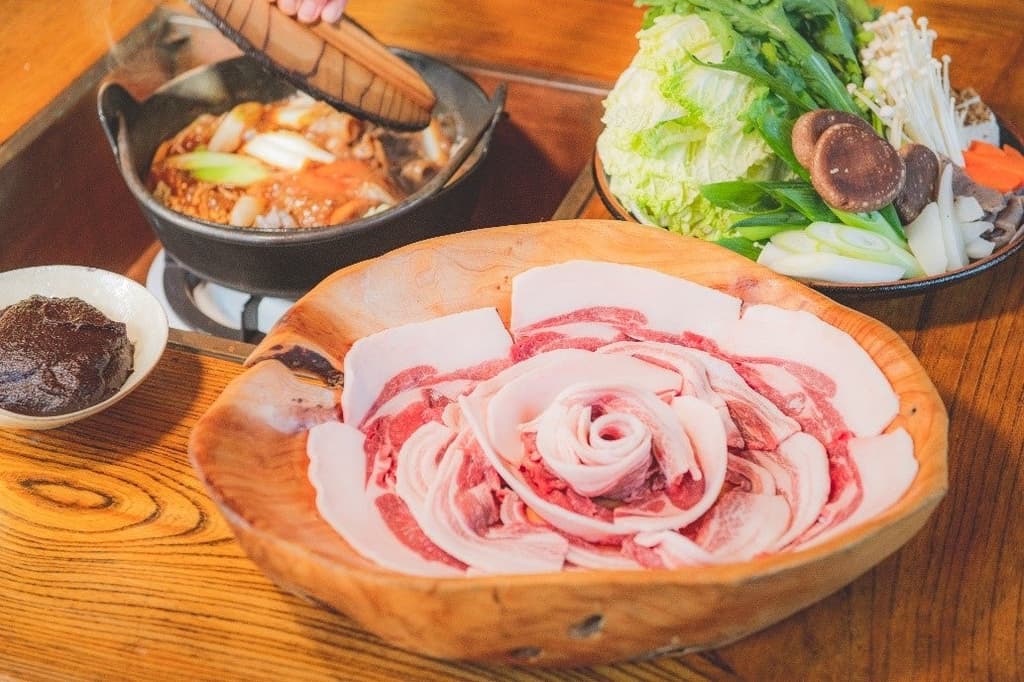
Botan nabe, made with fatty seasonal wild boar meat and local vegetables simmered in miso until tender, is an exquisite dish!
In Tamba Sasayama, there are many restaurants where you can enjoy botan nabe and dishes made with wild boar meat, so please take this opportunity to taste Tamba Sasayama's "botan nabe."
What is Botan Nabe?
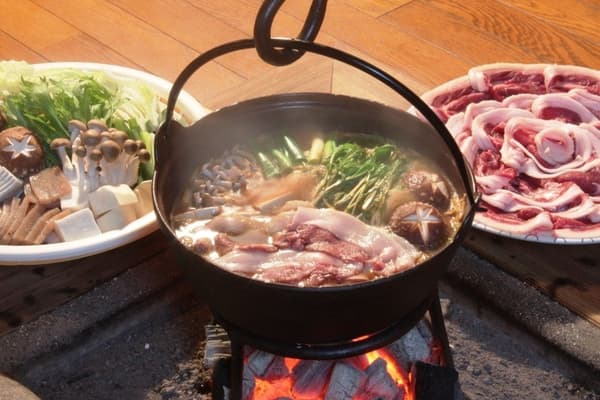
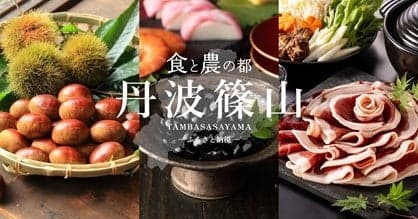
Tamba Sasayama is famous for nationally-known specialty products such as Tanba chestnuts, black soybeans, and mountain yams, but it is also one of Japan's top three production areas for wild boar meat. The local cuisine using this wild boar meat is "botan nabe."
A distinctive feature of wild boar meat handled at Tamba Sasayama restaurants is that they use natural wild boar rather than farm-raised. In autumn, the boars eat rich nuts and grains from the mountains, and they put on just enough fat needed to survive the winter. This results in lean meat with rich umami, free from excessive greasiness.
Botan nabe, made by simmering seasonal wild boar meat together with local vegetables in miso until tender, is exquisite. The wild boar meat becomes softer the longer it's cooked, and despite being light, it has depth of flavor that can be enjoyed with each bite.
History of Botan Nabe
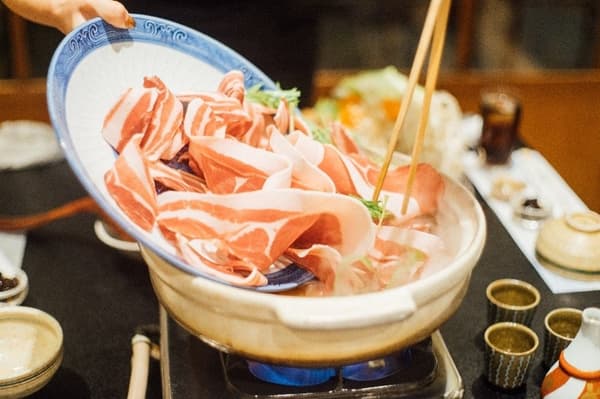
The history of botan nabe is ancient, with its origins said to date back to the Meiji era. At that time, when soldiers from the 70th Infantry Regiment stationed in Sasayama (present-day Tamba Sasayama City) brought captured wild boar meat to local restaurants, it was served as a miso-flavored hot pot dish, which became the beginning of "botan nabe." The soldiers were so impressed by its deliciousness that they spread word of Tamba Sasayama's delicious wild boar meat in their hometowns.
In 1931, when the predecessor organization of the Sasayama City Chamber of Commerce solicited lyrics for the folk song "Sasayama Kouta," the term "botan nabe" appeared for the first time in the fourth verse. Instead of "ino nabe" (boar pot), which had poor rhythm, they used the five-syllable phrase "botan nabe."
"On snowy nights when snow dances in the Mitake wind / Piling on the small bamboo grass in the window / Leaning drunkenly, remembering you / The boiling affection of botan nabe"
Around 1945, a long-established local restaurant began arranging and serving wild boar meat resembling peony flowers, inspired by the name "botan nabe." Thus, the name "Tamba Sasayama's Botan Nabe" spread throughout the country.
In 2007, it was selected as a representative dish of Hyogo Prefecture in the Selection of 100 Traditional Dishes of Agricultural, Mountain, and Fishing Villages hosted by the Ministry of Agriculture, Forestry and Fisheries.
Selected as 100-Year Food
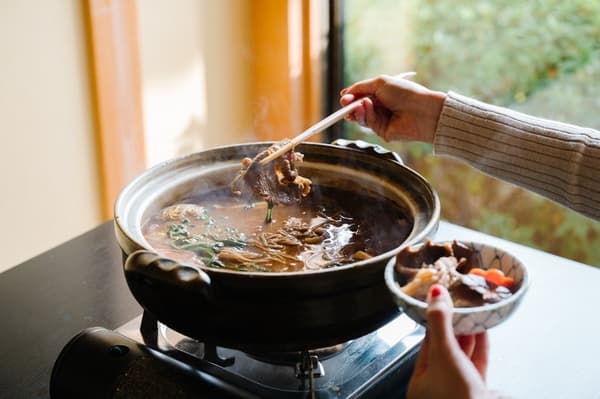
Tamba Sasayama's "botan nabe" was selected as "100-Year Food" certified by the Agency for Cultural Affairs in 2022. "100-Year Food" is an initiative by the Agency for Cultural Affairs to foster momentum for the succession and promotion of diverse food cultures, aiming to continue inheriting food culture that has been passed down through generations in regions together with the Agency for Cultural Affairs. More than 300 food cultures have been certified so far, and Tamba Sasayama's "botan nabe" received the "Expert Special Award" given to food cultures particularly highly valued by experts.
Hunting Season Opens
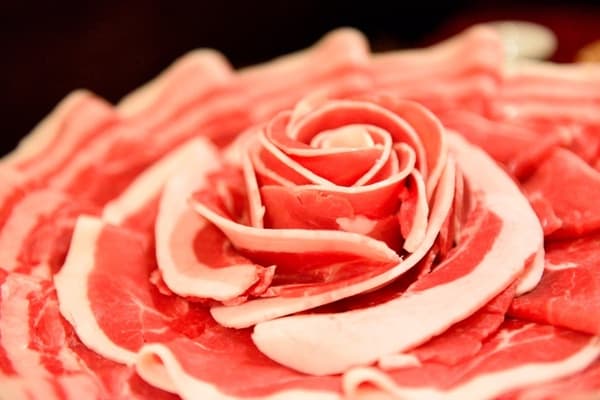
In Tamba Sasayama City, hunting season opens on November 15th, marking the start of the authentic botan nabe season in Tamba Sasayama. Botan nabe originated in Tamba Sasayama, and approximately 40 restaurants in the city serve botan nabe.
Please enjoy the differences in broth, miso, and eating styles among the various botan nabe restaurants.
Available as Hometown Tax Donation Return Gift
Wild boar meat and botan nabe are also offered as return gifts for hometown tax donations to Tamba Sasayama City, Hyogo Prefecture.
Even if you cannot visit Tamba Sasayama City directly, please enjoy it through hometown tax donations.
The donations received will be used for "projects related to agricultural promotion as an agricultural capital," including the promotion of Tanba black soybean production.
For more information about Tamba Sasayama City's hometown tax donations, please visit:
https://www.city.tambasasayama.lg.jp/soshikikarasagasu/sozoutoshika/kigyoshinko/furusato/5395.html