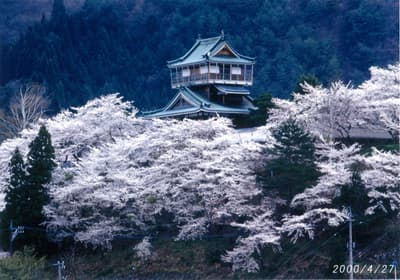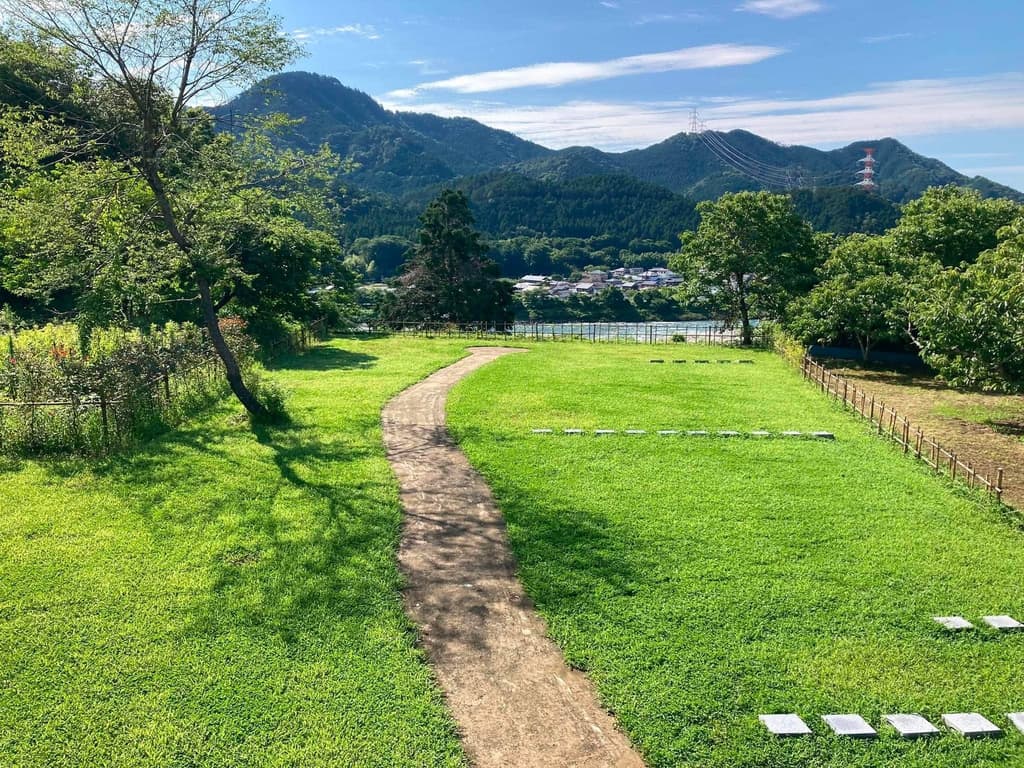
Taiheizan Eishoin, a Soto Zen temple in the Atage area of Mino City, Gifu Prefecture, officially opened "Mino Seiryu no Oka" on August 3, 2026, a satoyama park-style tree burial ground built on a hillside overlooking the clear waters of the Nagara River.
An Open Natural Landscape Overlooking the Nagara River
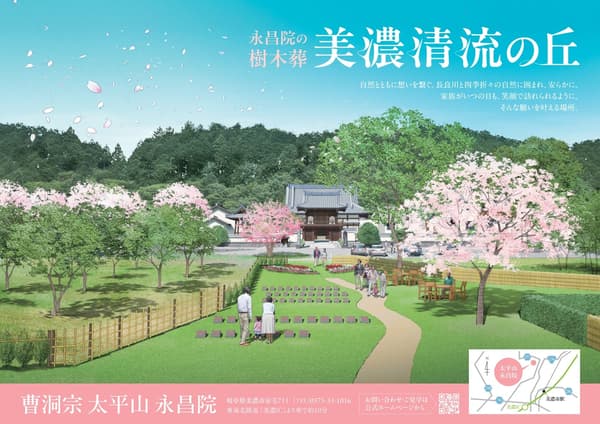
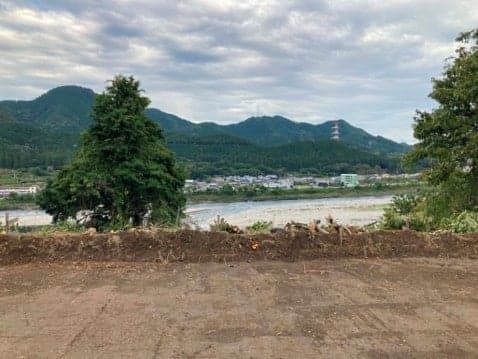
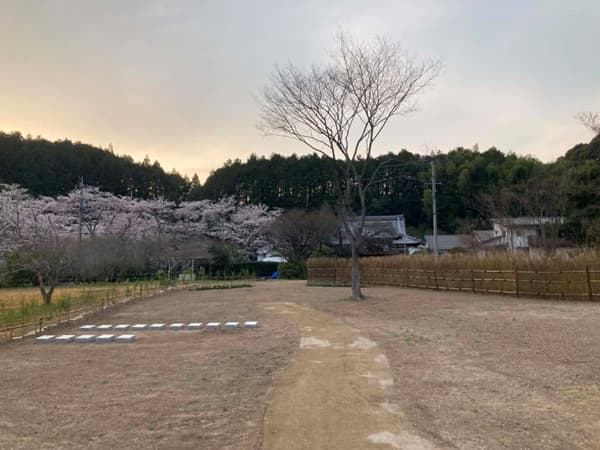
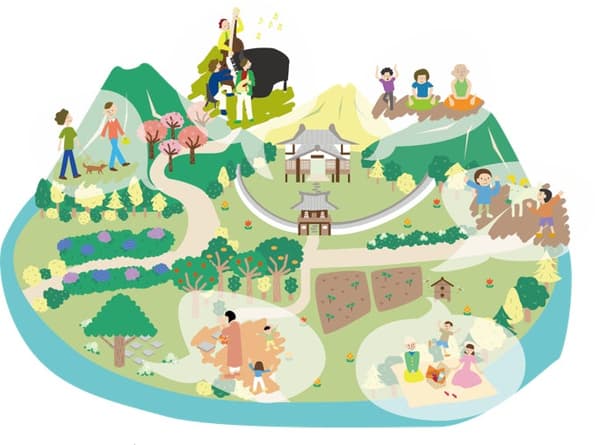
The burial ground's defining feature is its open setting, shaped around the natural beauty of the surrounding satoyama, the traditional woodland bordering rural communities. The Nagara River flows below the hillside site, which bursts into cherry blossoms each spring, framed by the gentle scenery typical of Gifu's Mino region. The space has been designed so that families can feel the changing seasons and visit as though on a peaceful countryside walk.
Individual Care Now, Peace of Mind for the Future
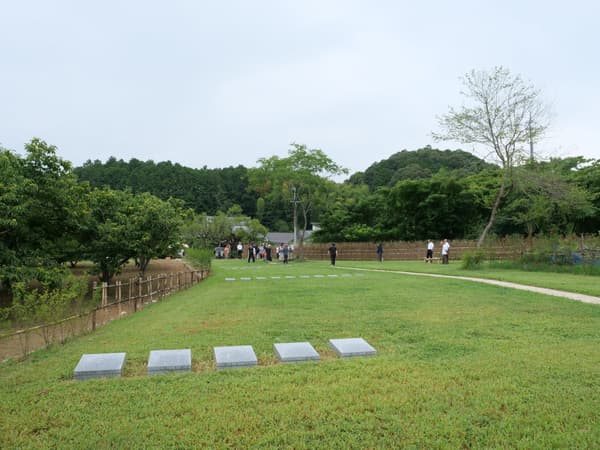
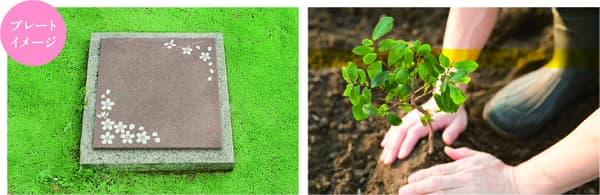
The burial ground was designed to answer a wish: not to leave a burden on future generations. Remains are kept in an individual plot until the 13th-year memorial service after the last person's passing, after which the temple takes on lasting responsibility for collective interment and ongoing memorial services.
That arrangement lets families keep time to pay their respects individually, while removing the worry that future generations will be left to manage the grave or eventually close it down. Families can also plant trees together in the years leading up to the 13th-year service, and are welcome to stop by casually for temple events such as cherry blossom illuminations and zazen meditation sessions, building a habit of remembering loved ones through the turning of the seasons.
Easy Access in the Heart of Gifu and Mino City
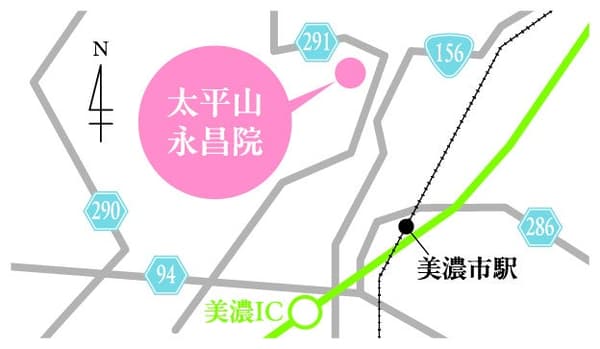
Despite its lush, riverside setting, the burial ground is about a 10-minute drive from the Mino Interchange on the Tokai-Hokuriku Expressway, making it easily reachable from both the Gifu and Nagoya areas. A step-free path connects the parking area to the burial grounds, so visitors of any age, from small children to the elderly, can visit with ease.
The Journey to Opening
The project began when the temple, after consulting with the local community, took over a plot of land next to the temple that had become difficult to manage, and set about developing it as part of the temple's grounds.
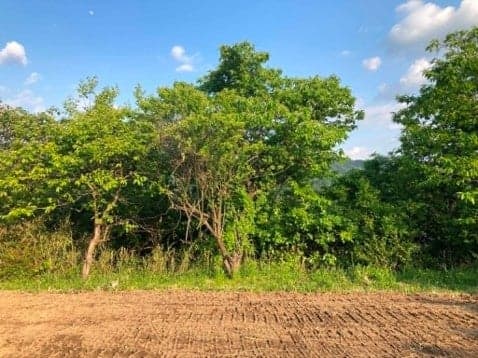
The hackberry and cherry trees at the center of the land were kept as symbol trees, while other trees that had gone untended for years and turned into overgrown thicket were cleared. Old materials were cleared away and deep-set roots were removed as the land was leveled to form the foundation of the cemetery park.
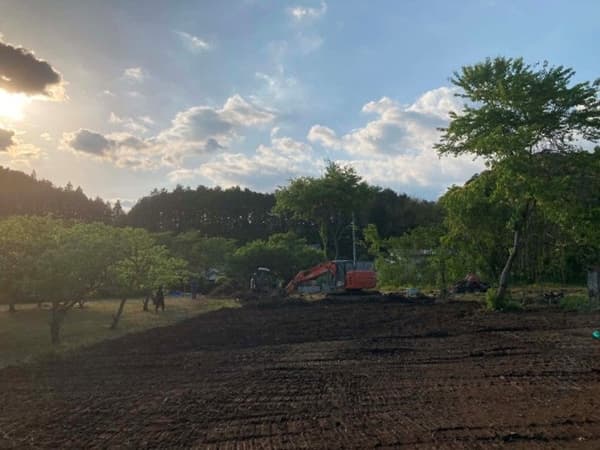
With the understanding and cooperation of the landowner, trees and bamboo grass that had overgrown the slope, and had made the land difficult to maintain, were also cleared, with care taken to preserve water retention and disaster-prevention functions. The work opened up clear views of the Nagara River below and created a comfortable spot where a refreshing breeze passes through.
Bamboo cut from a nearby grove, which the temple plans to continue clearing as part of the project, was heat-treated to remove its natural oils and used to build a bamboo fence along the boundary of the grounds, with a hedge planted alongside it, all with help from many people along the way.
In spring 2026, the first section of memorial plaques was completed, and the site began accepting visitors for tours.
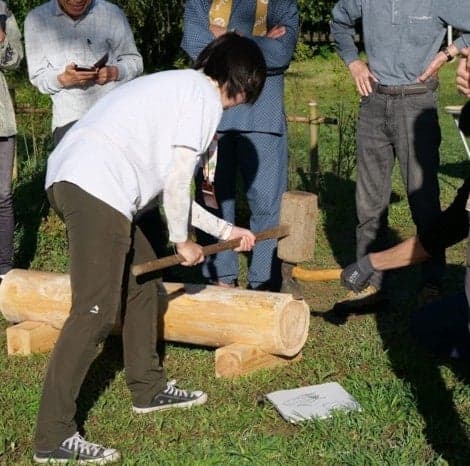
That June, participants in the temple's monthly morning zazen sessions split logs in half to build benches for visitors to rest on.
A former temple gate pillar was repurposed as a flower-offering stand, and two flower beds were planted near the entrance to bring color through the seasons. The temple plans to keep tending the grounds so that visitors can continue to feel the changing seasons through the flowers there.
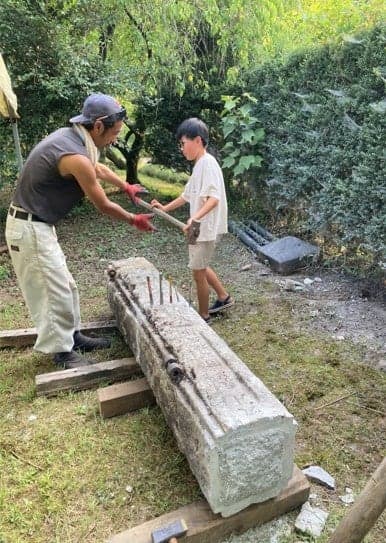
Around four years after the project was first conceived, with support from many people both within and outside the local community, Eishoin has completed a cemetery park where visitors can feel surrounded by nature, reflect on loved ones, sense the passing of the seasons, and come away with a calm, gentle feeling.
Inside the Opening Ceremony
The opening ceremony began at 9:00 AM on August 3, with a total of 41 people attending from both within and outside the Atage area.
The ceremony opened with the "jodojo" ritual to purify the grounds, followed by a recitation of the Heart Sutra, after which attendees offered incense.
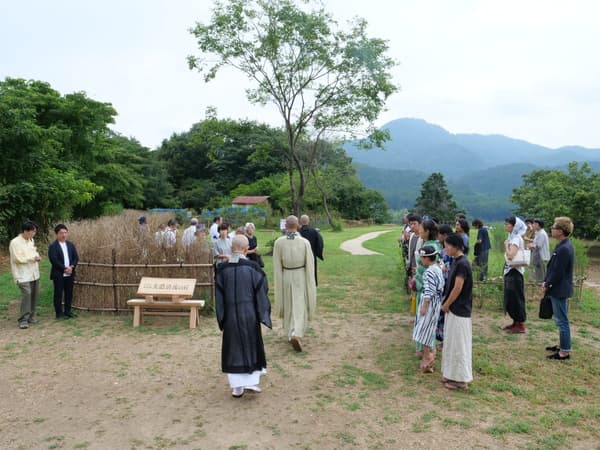
After the service, in a gesture recalling the Buddhist "sange" flower-scattering ritual, the head priest and attendees walked a circuit of the grounds together, scattering cosmos and clover seeds across the site.
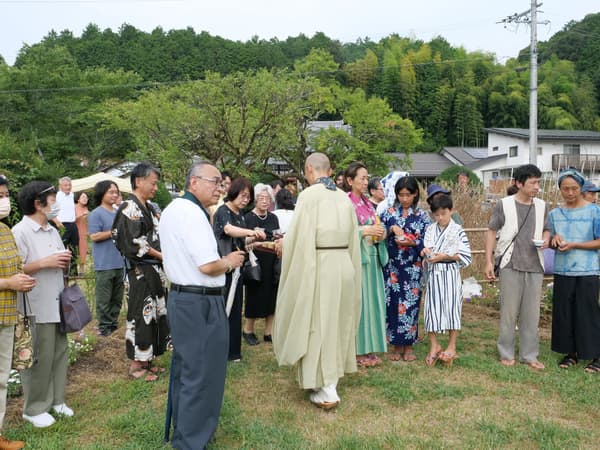
Attendees then moved to a hall within the temple, where the head priest spoke about the path to opening the burial ground and plans for its future. The ceremony closed with remarks from the chairperson of the temple's support association and words of encouragement from those in attendance.
Looking Toward the Future
Eishoin, founded in 1670, has grown alongside the Atage community for more than 350 years, shaped by the warmth of local ties and support from many people along the way.
As the area faces rapid population decline and the broader challenge of sustaining rural communities, the temple hopes this project will help carry the beauty of the region's seasonal landscape, and the warmth of its community bonds, forward to the next generation and the next hundred years.
The temple also plans to direct as much of the burial ground's usage fees as possible toward maintaining the satoyama landscape, aiming for a model in which the wishes of those who use the grounds are returned to the community.
Eishoin hopes "Mino Seiryu no Oka" will remain a place where, even amid uncertain times ahead, people can nurture a gentle, compassionate heart through their connection to nature and to one another while remembering loved ones.
Facility Overview
Name: Mino Seiryu no Oka — a tree burial ground by Eishoin
Address: 711 Atage, Mino City, Gifu Prefecture
Plans: For 1 to 2 people, 3 to 4 people, or 5 or more people
Terms of use: Open regardless of religious affiliation, with no requirement to become a temple parishioner; reservations can be made in advance during one's lifetime