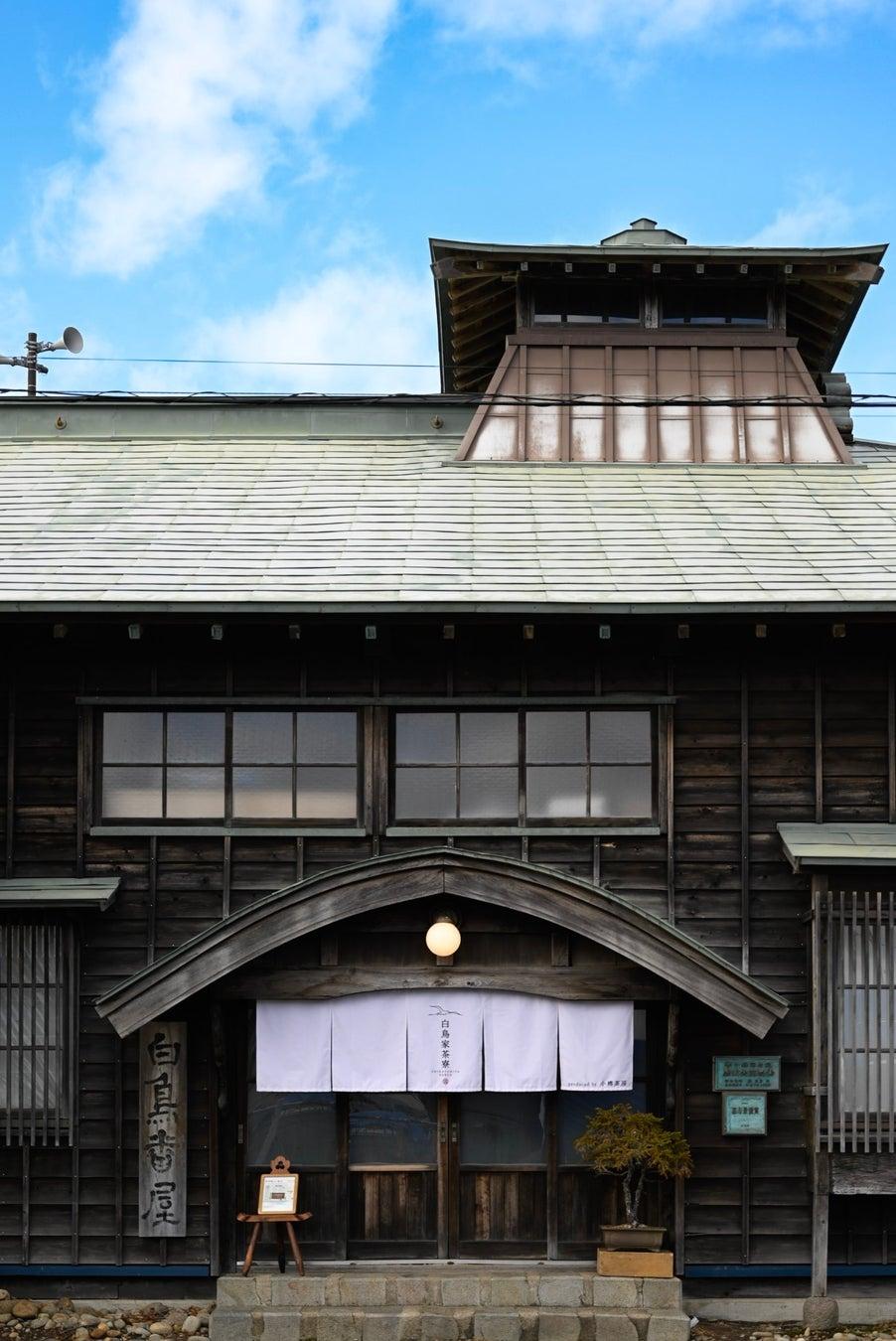
The former Shiratori family bannya (旧白鳥家番屋), a historic building in Shukutsu, Otaru, Hokkaido, now houses the main store of the tea room brand Otaru Sabou (小樽茶房). A permanent Otaru Sabou shop presenting Hokkaido has also opened in Tokyo, at Keio Department Store Shinjuku. Biolabo LLC (合同会社ビオラボ), based in Shinjuku, Tokyo, runs the two locations as places for visitors to "take Hokkaido home."
Biolabo revived the historic building and opened "Shiratoriya Saryo – Otaru Sabou Main Store" (白鳥家茶寮 ―小樽茶房本店―) on September 5, 2026. The Tokyo flagship, Otaru Sabou Keio Department Store Shinjuku (小樽茶房京王百貨店新宿店), followed on November 4, 2026. With these two locations, the brand shares the food and culture of Otaru and Hokkaido.
A Dormant Lodge Becomes a Gathering Place Again
The former Shiratori family bannya (a fishermen's lodge) was built in the Meiji 10s (1877–1886) and is designated as Otaru City Historic Building No. 62 (小樽市指定歴史的建造物 第62号). It belonged to the Shiratori family, one of the three leading families of Shukutsu, which prospered through herring fishing. Under a single large roof with an open ceiling, the master's residence and a large hall where about 120 fishermen (yan-shu, ヤン衆) slept exist side by side. The fishermen lay on beds called "nedai" (ネダイ) hung from the ceiling, making this a rare type of building even by national standards. The lodge was restored in 1995 and received the Otaru City Urban Landscape Award (小樽市都市景観賞) in 1996.
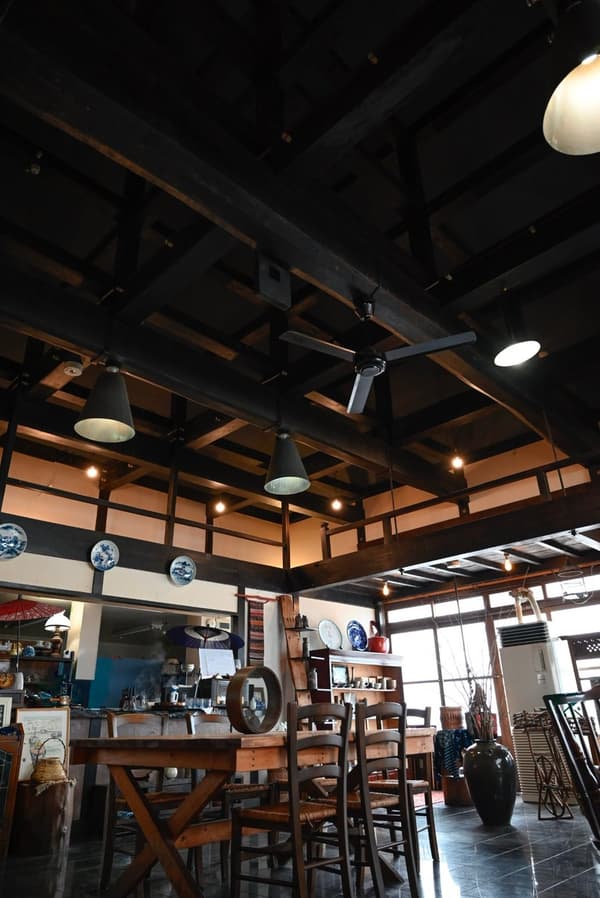
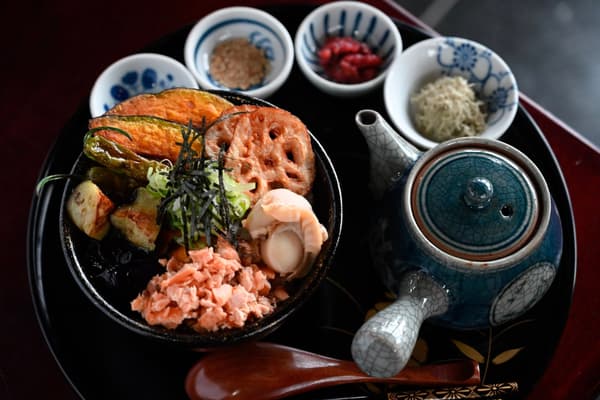
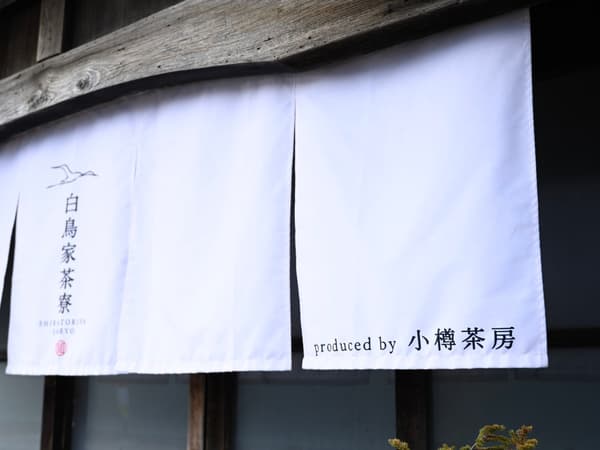
On September 5, 2026, the bannya reopened as the Otaru Sabou main store, Shiratoriya Saryo – Otaru Sabou Main Store (白鳥家茶寮 ―小樽茶房本店―). The signature menu item is a local Otaru dish, the Herring Sanpei-jiru and Rice Ball with Homemade Kombu Set (にしんの三平汁と自家製昆布のお結び佳膳), priced at ¥1,200. The sanpei-jiru is made with nuka-nishin (herring cured in rice bran, 糠ニシン). It is served together with about 15 kinds of tea leaves selected from across Japan and sweets such as matcha terrine.
The Role of the Main Store
Otaru Sabou is a brand that conveys Otaru's history and food culture to the present day in the form of a "sabou" (tea room, 茶房). The bannya is where the brand's story began, so it has served as the main store since opening. As a base for sharing the building's history, and as the source of the flavors and worldview of each shop, including the Shinjuku flagship, the main store remains at the center of the brand.
Otaru has many old buildings, including city-designated historic buildings. Many of them, however, remain closed, and their interiors cannot be seen. Biolabo sees its role as turning such buildings into cafés, so that anyone can casually visit and experience the buildings up close. The company plans to expand this approach to other parts of Japan, not only Otaru.
Hokkaido in Tokyo, All Year Round
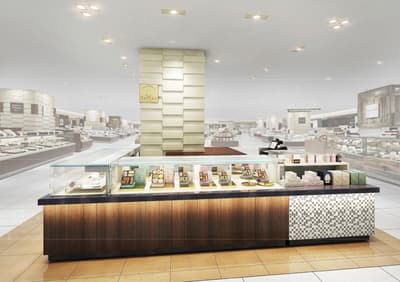
Otaru Sabou Keio Department Store Shinjuku, on the 4th floor of Keio Department Store Shinjuku (京王百貨店新宿店), exhibits and sells Hokkaido foods, Japanese sweets, ceramics, and glassware throughout the year. The Otaru ware (小樽焼), Kitaichi Glass (北一硝子) glassware, Imari ware (伊万里焼), and other items in the shop were passed down from the Otaru antique shop 伊麻里. Connecting old things to a new era is one of the shop's roles.
The Japanese sweets include dorayaki, daifuku, and jo-namagashi (fine fresh Japanese sweets) from 游菓, a Japanese confectionery workshop in Otaru. Inside the shop, visitors can also see works by the sumi-e artist 藤澤龍一 and bonsai art by KIRYU(岐流盆栽), and buy them on the spot if they like.
A place where visitors can feel the atmosphere of Otaru while in Tokyo is expected to lead to interest in trips to Otaru and in relocating there. The company has also given the shop a role as a base for promoting tourism and relocation.
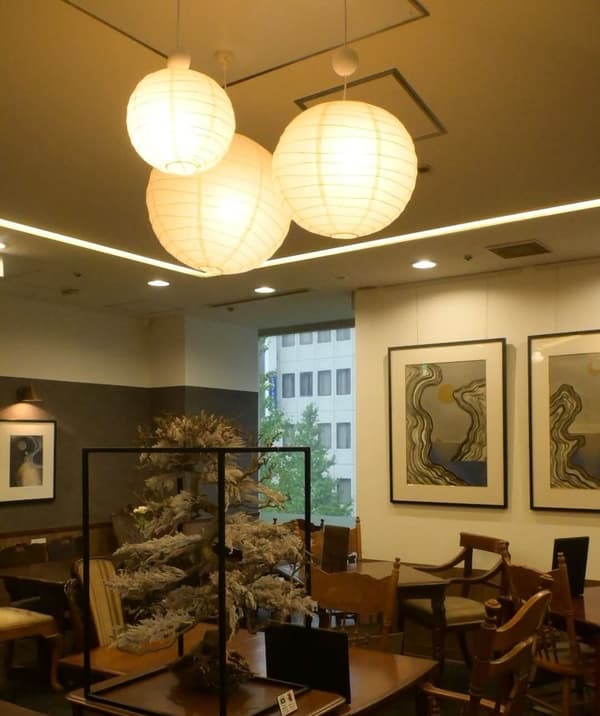
Interior of Otaru Sabou Keio Department Store Shinjuku (小樽茶房京王百貨店新宿店 店内)
Comment from the Representative
The bannya was once the very life of 120 fishermen. Serving tea in that place means not only preserving the building but also carrying on the memories of the lives lived there. The Shinjuku shop gives those memories a form people can hold in Tokyo. Protecting culture and making it work as a business: balancing the two is, I believe, the condition for passing it on to the next generation.
— 東山慧美, Representative of Biolabo LLC
What's Next
- From November 23, 2026, Shiratoriya Saryo offers an experience course that combines a guided tour of the bannya with a meal, tea, and Japanese sweets. Reservations are open. Sales aimed at inbound travelers through travel agencies and OTAs are also in progress.
- An experience plan for bonsai art is also being planned. It combines making bonsai art with KIRYU(岐流盆栽), tea and Japanese sweets, kimono rental, and a photo shoot, and including it in sightseeing tours is also under consideration.
- From November 18, 2026, one-of-a-kind items such as sumi-e and bonsai art are sold at the online shop Otaru Sabou (小樽茶房) on BASE.
- The Otaru main store is also considering exhibiting at events such as Hokkaido product fairs in various places, to widen its reach.
- Shiratoriya Saryo will continue to offer limited menus that follow the seasons and to share the history of the bannya.
- The initiative of using closed old buildings as cafés and similar spaces, open to casual visitors, will be expanded across Japan.
Store Information
Shiratoriya Saryo – Otaru Sabou Main Store (白鳥家茶寮 ―小樽茶房本店―)
- Address: 3-191 Shukutsu, Otaru, Hokkaido (former Shiratori family bannya)
- Hours: 10:00 AM to 6:00 PM (last order 5:30 PM)
- Closed: Irregular holidays
- Seats: 28
- Opened: September 5, 2026
- Instagram / Threads: @shiratoriya_saryo_tencho
Otaru Sabou Keio Department Store Shinjuku (小樽茶房京王百貨店新宿店)
- Address: 1-1-4 Nishi-Shinjuku, Shinjuku-ku, Tokyo. Keio Department Store Shinjuku, 4th floor
- Hours: 10:00 AM to 8:00 PM (last order 7:00 PM)
- Closed: Follows the schedule of Keio Department Store Shinjuku
- Seats: 35
- Opened: November 4, 2026
- Instagram / Threads: @otaru_sabou_shinjuku