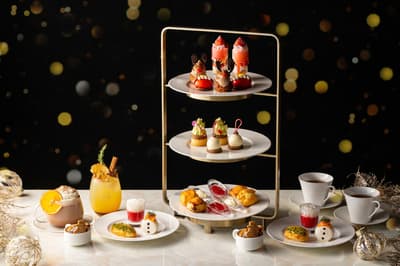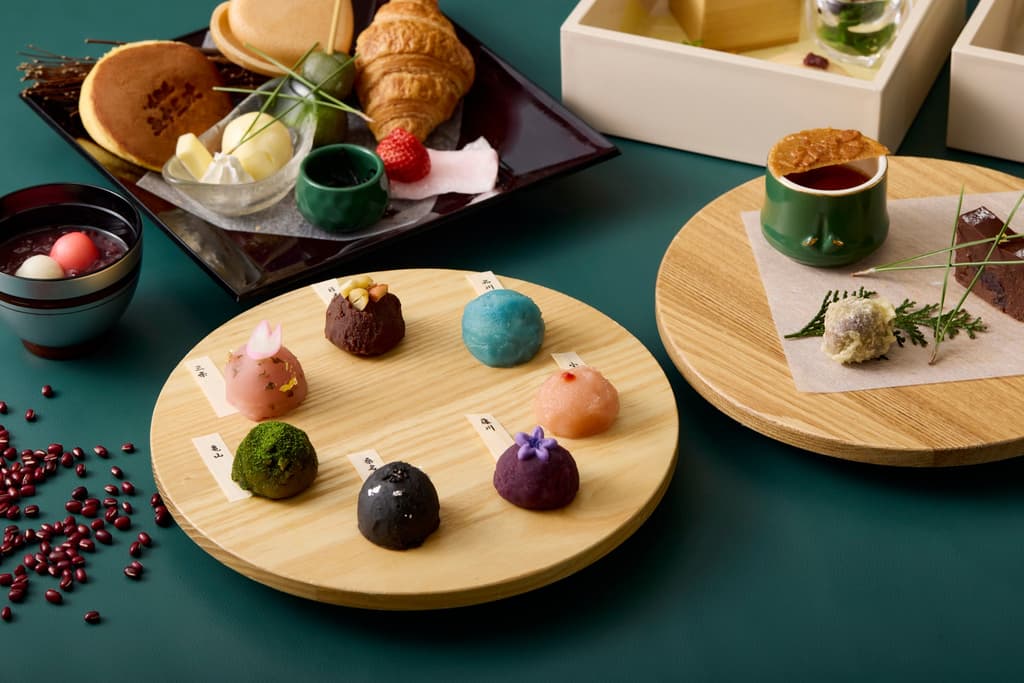
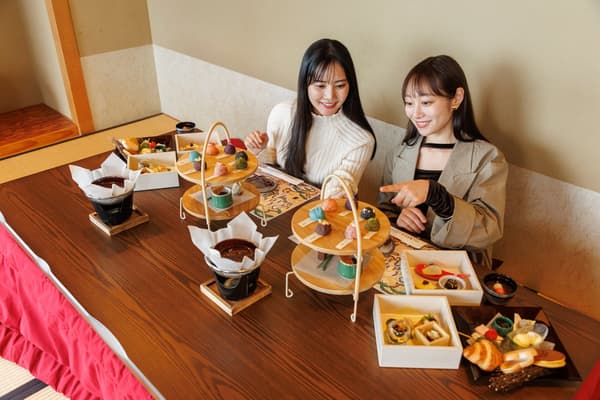
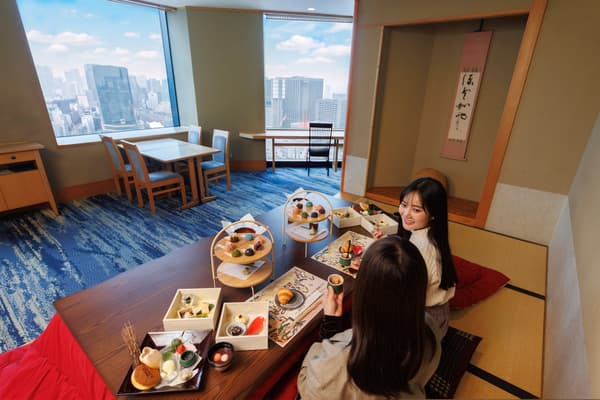
Shinagawa Prince Hotel will begin serving a Japanese-style afternoon tea, "Okota de Attaka 'An-meguri'" (おこたであったか“餡めぐり”), on November 1 (Sunday), 2026. The tea is supervised by the Japan Anko Association (日本あんこ協会; Toshima Ward, Tokyo; President Anko Nishii), an anko fan organization with more than 11,000 members nationwide, and is served at the hotel's restaurant Ajikaido Gojusantsugi (味街道 五十三次). It is the third afternoon tea in the "Okota de Attaka" series that the association has supervised at the hotel.
Japanese Afternoon Tea "Okota de Attaka 'An-meguri'"
- Venue: Shinagawa Prince Hotel (Main Tower, 38th floor), Restaurant Ajikaido Gojusantsugi (味街道 五十三次)
- Price: ¥7,000 / ¥8,500 (tax included; a 13% service charge is added). Okota special seat (おこた特別席): ¥500 per person
- Period: November 1 (Sunday), 2026 – January 10 (Sunday), 2027 (excluding December 19 (Saturday) – January 5 (Tuesday))
What Is "An-meguri"?
The name "An-meguri" (餡めぐり) carries two meanings: "touring anko" and "anko circulating."
Touring anko. As the association's slogan "LOVE ANKO PEACE" suggests, it says anko always sits at the center of love and peace, and that people cannot help smiling in front of sweet, delicious anko. From local specialty sweets loved in their regions to famous treats favored by figures in history, anko has blended into everyday life regardless of status. Changing its flavor and form across the ages and suiting any occasion, it is a versatile ingredient. Experiencing this many-sided ingredient as an afternoon tea course is, in the association's words, a way of "touring anko."
The tea is supervised at Ajikaido Gojusantsugi, Shinagawa Prince Hotel's Japanese restaurant, so the tour follows the Tokaido. In keeping with the restaurant's concept, guests can enjoy seven kinds of anko likened to seven post towns along the Tokaido, along with a variety of dishes made with anko. The journey is meant to give diners, the "travelers" on the anko tour, a chance to encounter anew the appeal and potential of anko nurtured across time.
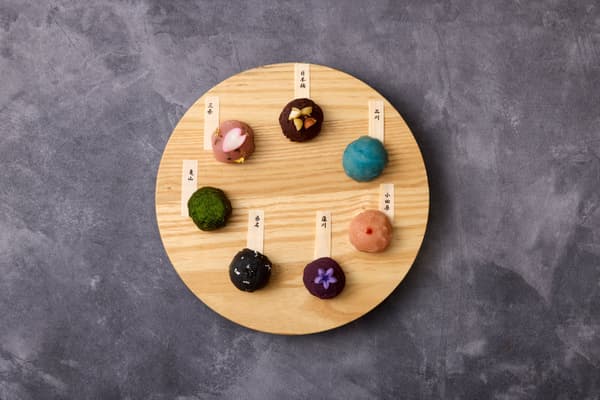
Seven kinds of anko likened to seven Tokaido post towns
Anko circulating. Japan's anko culture developed led by the tea ceremony (茶の湯) and was refined alongside the growth of wagashi culture. The wagashi served at tea gatherings always carry the scenery of the four seasons. Because Japan's four seasons come around in turn, anko has also kept circulating with them. This afternoon tea expresses the form of anko that has changed its colors with the seasons and circulated through them. The organizers say they hope guests will feel the beauty of Japan's turning seasons the moment the tea arrives at the table.
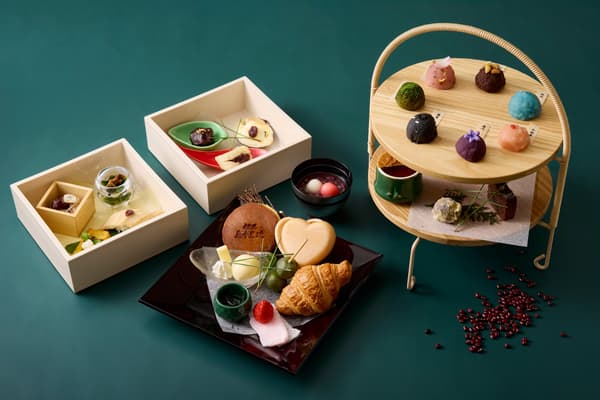
A variety of dishes made with anko
What Kinds of Anko Can You Try?
For details, see the menu published on the official Shinagawa Prince Hotel website: https://www.princehotels.co.jp/shinagawa/plan/53/afternoontea_2026_anmeguri
Why a Third Edition?
"Okota de Attaka 'An-meguri'" is the third "Japanese afternoon tea" that the association has supervised at Shinagawa Prince Hotel.
The first edition, "Okota de Attaka 'An Fondue'" (おこたであったか“あんフォンデュ”), was offered from January to March 2025. It proposed dipping dumplings and fruit into two kinds of anko, warm tsubu-an (chunky bean paste) and cold peeled-skin bean paste (皮むき餡), and drew the largest response the series had seen up to that point.
The second edition, "Okota de Attaka 'An-kurabe'" (おこたであったか“餡くらべ”), ran from December 2025 to March 2026. Alongside standard tsubu-an and koshi-an (smooth bean paste), it offered up to eight kinds of anko, including purple sweet potato, chestnut, and strawberry anko as well as newer, unconventional varieties such as pistachio anko. Created with the wish that guests would "connect with a wide variety of anko," it was an even bigger success than the first edition and broke its record.
The association credits this growth to the power of anko itself. Since ancient times, the red color of azuki beans was believed to ward off evil and was treated with care in Shinto rituals and ceremonies. In more recent times, too, anko has been part of many Japanese people's earliest memories: the flavor grandmothers used to simmer, the anko-covered rice cake eaten at a local mochi-pounding event, the dorayaki shared with family and friends. The association says that a single bite can bring back forgotten warmth and touch the heart. It also points to anko's nutritional merits, noting that it is now valued as a snack among bodybuilders, athletes, and others who work on their physiques, and to its sweet, delicious taste that makes people smile.
With the appeal of anko clearly spreading with each edition, the association decided to supervise this third one. It says it will continue, together with Shinagawa Prince Hotel, to share new ways of enjoying anko and its possibilities with the world.
Why Shinagawa Prince Hotel?
The Japan Anko Association's mission is "to realize world peace through anko." To that end, it has worked to promote anko in various ways, with a field of activity that looks beyond Japan to the world, and it hopes to keep conveying the appeal of Japanese food culture and the Japanese culture behind it.
Shinagawa, for its part, has long thrived as the gateway to Edo, where people and goods came and went. Today it is an international exchange hub driving Japan's growth, and the association sees Shinagawa Prince Hotel as its landmark and leading presence. For that reason, it regards the hotel as a good partner for bringing Japan's anko culture to the world.
Why This Timing?
The association enters its ninth term in October 2026. In Japanese culture, the number nine has long been regarded as the highest auspicious number, as symbolized by the Chōyō no Sekku (重陽の節句, Double Ninth festival). After nine comes ten, when a new digit is added, which the association sees as taking on a new stage. Having reached one maturity and about to open the next door, it views the ninth term as another "circuit" (一巡).
The Tokaido, the motif of Ajikaido Gojusantsugi, brings to mind Tokaido Chu Hizakurige (東海道中膝栗毛), the classic by Jippensha Ikku (十返舎一九), a popular Edo-period writer. The story conveys the spirit of circulation alive in Japan, expressed in the saying "Nasake wa hito no tame narazu" (情けは人の為ならず), meaning that kindness shown to others comes back around to oneself.
The association, which aims for world peace through anko, considers the outlook Jippensha Ikku left behind essential. It sees Ajikaido Gojusantsugi as the best place to embody that spirit through anko, and its ninth term as the best time to do so.
What Is a Shinpuri Anbassador?
"Shinpuri Anbassador" (品プリあんバサダー) is a title awarded to guests who, through the "An-meguri" experience, savor anko while connecting with it and acquire solid knowledge and experience of anko. It signifies someone fit to share the appeal of anko with the world from "Shinagawa," one of Japan's leading hubs of international exchange. Certification is carried out by the association and Shinagawa Prince Hotel, and anko fans who meet the conditions receive a "Shinpuri Anbassador Certificate" (品プリあんバサダー認定証).
The conditions are as follows. When guests enjoy "Okota de Attaka 'An-meguri'," they are given a sheet called "QankoA" with questions about anko and Shinagawa.
- Before the meal: Ten questions (Q) are presented together with the menu. While happily comparing the different kinds of anko, guests think hard about their answers. They may also ask the service staff for hints.
- After the meal: Guests check the answers (A) and learn more via the QR code printed on the back of the menu.
The organizers say the aim is for guests not only to enjoy "An-meguri" but also to chew thoroughly, which activates the prefrontal cortex and boosts memory and problem-solving ability, while gaining solid knowledge of anko. Only those who happily enjoy "An-meguri" and acquire anko knowledge through "QankoA" are certified as Shinpuri Anbassadors.
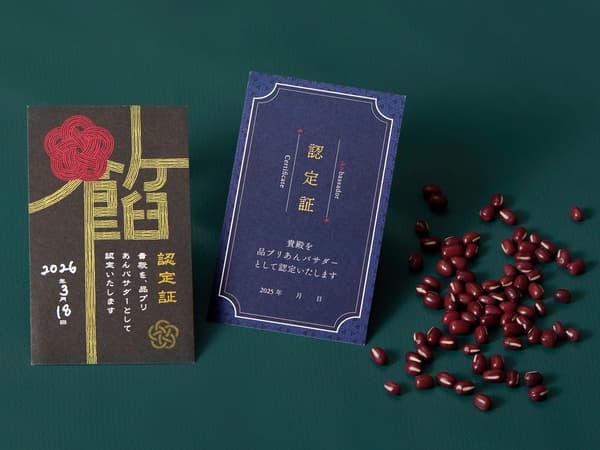
Note: The photo is from the first and second editions.