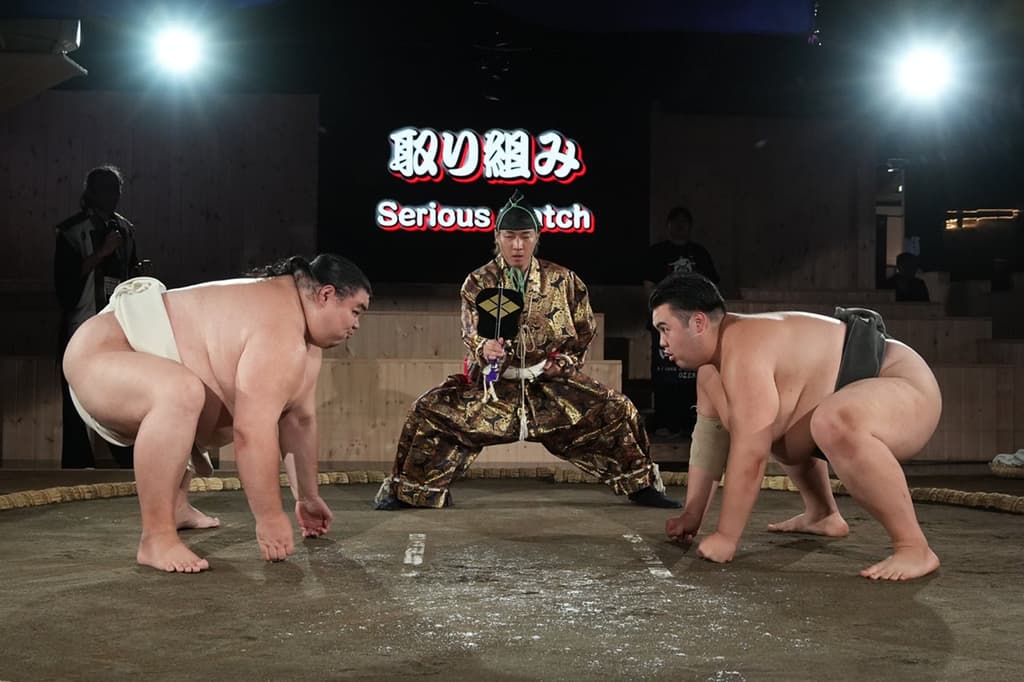
A new sumo show restaurant aimed at international visitors has opened inside one of Japan's most famous landmarks. On Wednesday, August 12, 2026, Kronos Gaia Co., Ltd. (headquartered in Kuriyama, Yubari District, Hokkaido) opened TOKYO SUMO CLUB ENTERTAINMENT on the 5th floor of FootTown inside Tokyo Tower, giving visitors a new place to experience sumo and other elements of traditional Japanese culture.
The Tokyo restaurant is the company's second location, following its Sapporo restaurant, which opened in August 2025. According to the operator, it is the only sumo show restaurant group in Japan officially endorsed by two former yokozuna, the 63rd Yokozuna Asahifuji and the 70th Yokozuna Harumafuji. Reservations are already open.
- Official website: https://tokyo-sumo.com/
- Reservations: https://www.tablecheck.com/ja/tokyo-sumo/reserve/message
- Phone: 03-6809-2121
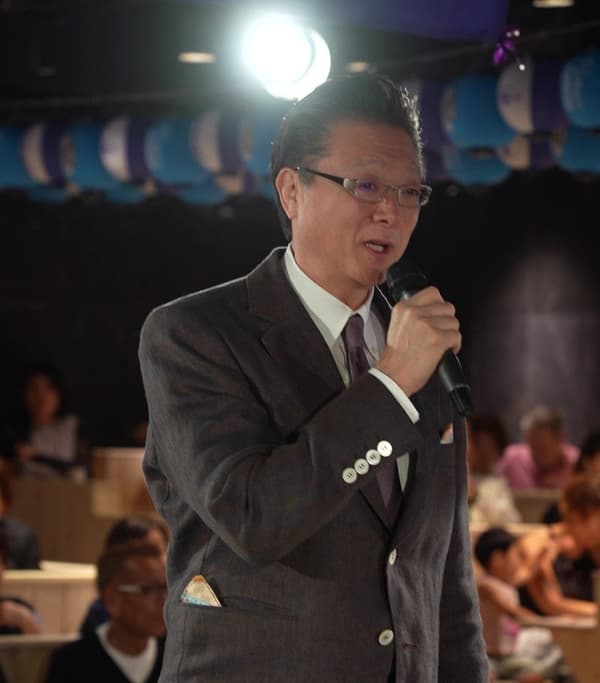
Opening Remarks From Asahifuji, the 63rd Yokozuna
At the grand opening on August 12, former Yokozuna Asahifuji delivered the opening declaration in person, sharing his connection to the restaurant and his thoughts on sumo. With the backing of former yokozuna, TOKYO SUMO CLUB ENTERTAINMENT takes its first step inside Tokyo Tower, one of Japan's most recognizable landmarks.
Three Highlights
An authentic experience at the symbol of Japan, Tokyo Tower
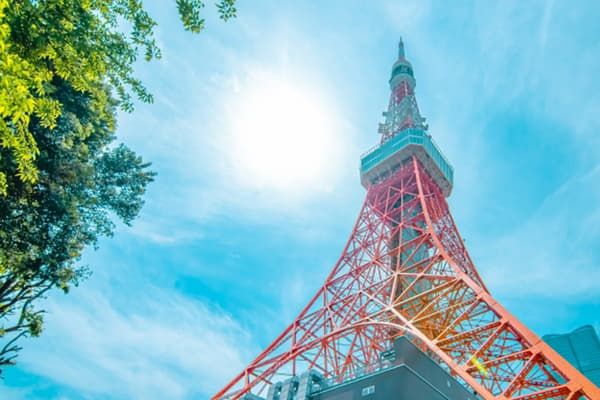
The restaurant occupies a prime spot on FootTown 5F of Tokyo Tower, a landmark that draws visitors from around the world. Guests can pair a visit to the tower, often a highlight of a Tokyo trip, with a hands-on introduction to sumo, Japan's national sport, in the same stop. The central, easy-to-reach location also makes it simple to fit into a sightseeing itinerary.
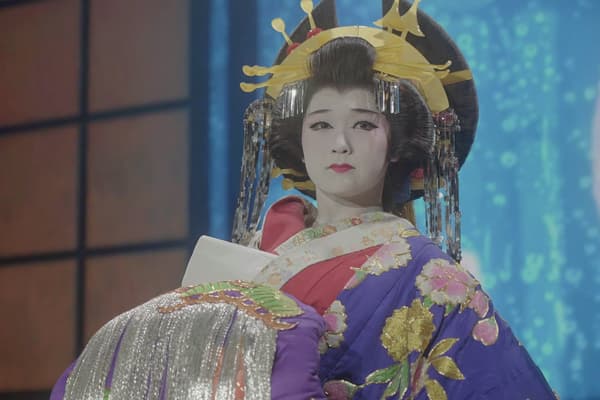
The show also includes traditional Japanese dance numbers, among them Kagami-jishi (a lion dance) and an oiran-dochu courtesan procession.
Tradition meets modern staging around a real clay dohyo
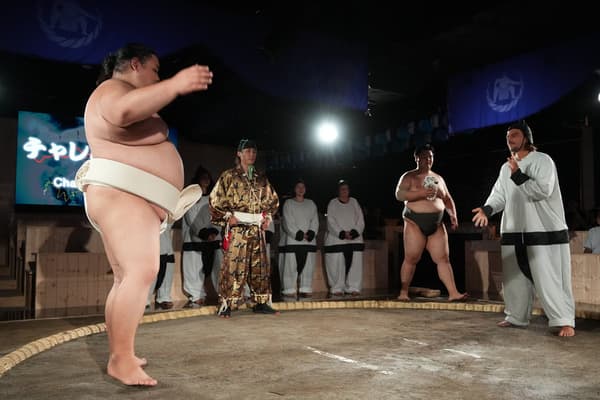
At the center of the room, surrounded by seating, stands a dohyo built from real clay, a feature rarely seen outside an actual sumo venue. Guests taking part in the "Challenge Sumo" segment can step onto the ring themselves. The wood-toned seating echoes the look of the Sapporo restaurant and gives the room a Japanese "wa" atmosphere, while LED monitors on all four sides and moving lights bring a modern, show-style staging to the sumo performances.
Meals built around a chanko nabe endorsed by Asahifuji
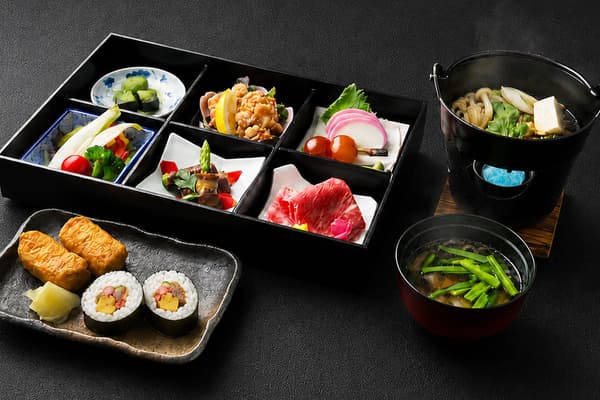
Three dining tiers are offered, each paired with a different seating grade. Every meal centers on a chanko nabe endorsed by the 63rd Yokozuna Asahifuji, served alongside a Japanese-style gozen set filled with a variety of dishes. A vegetarian version of the meal is available on request.
From Hokkaido to Tokyo Tower
Kronos Gaia, headquartered in Kuriyama, Hokkaido, has built its tourism business there. Hokkaido tourism is widely known for its winter appeal, such as snowy scenery and winter sports, but the company wanted to create reasons for visitors to come in spring, summer, and fall as well. Looking for ways to draw visitors outside the winter season, the company turned to sumo, one of Japan's best-known traditional arts, as the basis for a hands-on cultural experience. That led to the Sapporo restaurant (in Japanese, 札幌相撲部屋娯楽), where visitors watch a show, learn about sumo's history, stand on a real dohyo, meet wrestlers, and eat Japanese food. Many overseas guests named it the highlight of their trip to Japan, and the Sapporo location is scheduled for a renewal reopening on October 1, 2026.
Requests from Sapporo visitors and travel agencies for a Tokyo version of the experience led Kronos Gaia to a tenant opportunity at Tokyo Tower. The company saw the landmark, visited by domestic and international travelers alike, as the right stage for sharing sumo and Japanese traditional culture with a global audience, marking its expansion beyond Hokkaido.
The Tokyo restaurant is built around the idea that inbound tourism is shifting from buying souvenirs to experiencing culture directly. Rather than treating sumo as something to watch on television or at a tournament, it lets guests learn its history through English-language commentary, eat Japanese food, stand on a real dohyo, and interact with wrestlers. With locations now in Tokyo and Sapporo, Kronos Gaia plans to keep using sumo as an entry point for introducing Japanese traditional culture to visitors from overseas.
Price List
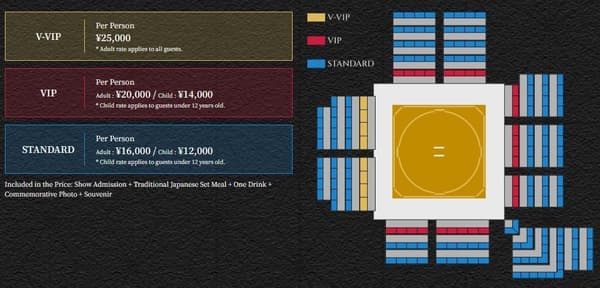
| Tier | Adult | Child (ages 2 to 12) |
|---|---|---|
| V-VIP | ¥25,000 | Same rate for all ages |
| VIP | ¥20,000 | ¥14,000 |
| STANDARD | ¥16,000 | ¥12,000 |
Prices include tax. Every tier includes the endorsed chanko nabe, a Japanese set meal, one drink, a commemorative photo, and a souvenir.
Facility Overview
Name
TOKYO SUMO CLUB ENTERTAINMENT (東京相撲部屋娯楽)
Address
4-2-8 Shibakoen, Minato-ku, Tokyo — Tokyo Tower FootTown, 5th floor
Opening date
Wednesday, August 12, 2026
Seats
177
Show times
11:00 AM to 12:30 PM, 2:00 PM to 3:30 PM, 5:00 PM to 6:30 PM, and 8:00 PM to 9:30 PM
Official website
https://tokyo-sumo.com/
Reservations
https://www.tablecheck.com/ja/tokyo-sumo/reserve/message
Phone
03-6809-2121
Access
By train
- Toei Oedo Line, Akabanebashi Station → Akabanebashi exit → about 5 minutes on foot
- Tokyo Metro Hibiya Line, Kamiyacho Station → Exit 1 → about 7 minutes on foot
- Toei Mita Line, Onarimon Station → Exit A1 → about 6 minutes on foot
From Haneda Airport
Tokyo Monorail to Hamamatsucho Station, then the Toei Oedo Line to Akabanebashi Station (Akabanebashi exit), about 5 minutes on foot from there. Total travel time is about 30 to 40 minutes with one transfer.
From Narita International Airport
Narita Express to Tokyo Station, then the JR Yamanote Line to Hamamatsucho Station, then the Toei Oedo Line to Akabanebashi Station (Akabanebashi exit), about 5 minutes on foot from there. Total travel time is about 70 to 90 minutes with two transfers.