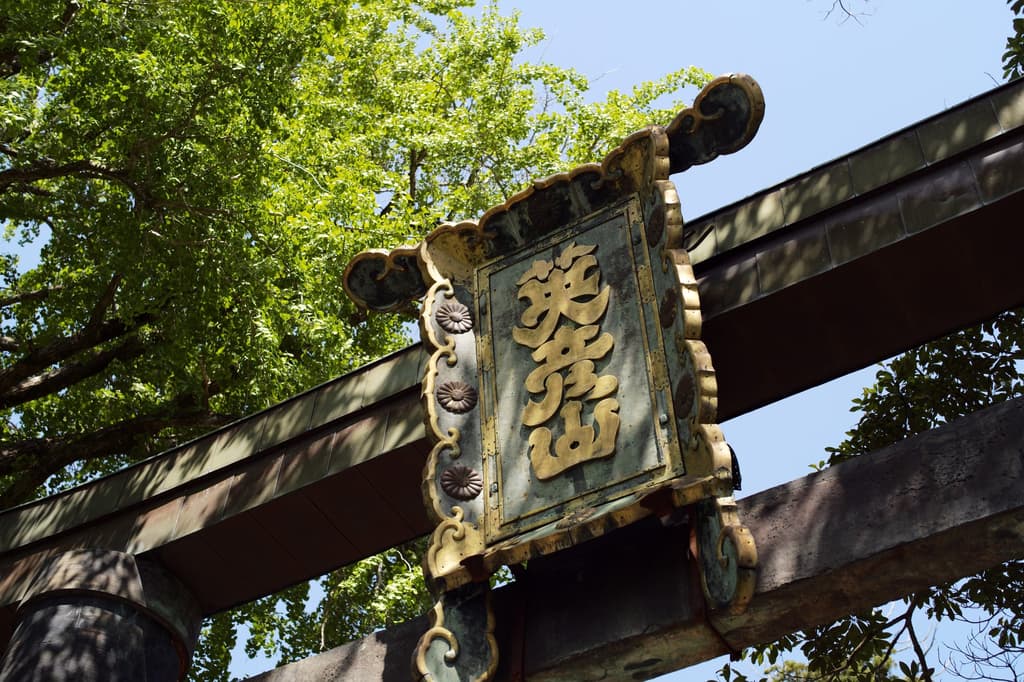
Fukuoka Prefecture and the Fukuoka Prefecture Tourism Association have been developing the "Hikosan Pilgrimage Route," a hiking route built around the culture of Shugendo mountain worship, as part of tourism promotion for the area along the JR Hita-Hikosan Line that is still recovering from the July 2017 Northern Kyushu Heavy Rain disaster.
This year, the two organizations are focusing on the route's Autumn Peak Route with a digital badge campaign using the hiking app YAMAP*, running from September 14 to December 7.
Hikers who use the YAMAP app to pass designated summits earn limited-edition digital badges within the app. Anyone who collects three or more badges receives a "Pilgrimage Completion Digital Badge," and at Hikosan Shrine, the first 500 people to do so also receive an original tenugui hand towel.
As autumn deepens and the mountains of Fukuoka take on their fall colors, the campaign invites hikers to walk the pilgrimage route while imagining the yamabushi (mountain ascetics) of centuries past.
*A hiking and outdoor GPS app operated by YAMAP that holds Japan's top domestic market share for the category. Even deep in the mountains, where cell service doesn't reach, it can show a hiker's current location and route using their smartphone's GPS function.
More on the campaign: https://yamap.com/magazine/75210
How to Earn Badges and Rewards
Using the YAMAP app to record an activity log, hikers pass designated summits along the Autumn Peak Route and earn a digital badge tied to each one. Collecting three or more badges unlocks the "Pilgrimage Completion Digital Badge."
Anyone who shows their "Pilgrimage Completion Digital Badge" at the office beside Hikosan Shrine's Lower Shrine, or at the shrine office in front of the Hōheiden Hall, receives an original tenugui hand towel while supplies last (first 500 people).


Target Summits
The campaign covers four mountains along the Autumn Peak Route: Mount Sarakura, Mount Fukuchi, Mount Ganjaku, and Nakadake, the summit of Hikosan.
About the Hikosan Pilgrimage Route
Fukuoka Prefecture and the Fukuoka Prefecture Tourism Association worked with YAMAP to establish three routes making up the "Hikosan Pilgrimage Route" over fiscal 2021 and 2022, drawing on the Kyushu Nature Trail and the history and culture of Hikosan's Shugendo mountain-worship tradition. A dedicated website launched in fiscal 2022 to share information about the routes.
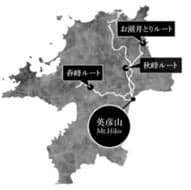
Autumn Peak Route
This route is based on the old mine-iri path connecting Mount Sarakura to Hikosan. Near Tatsugahana, the terrain is steep and part of the trail remains unmaintained, but the ridge route on to Mount Osaka is generally easier to walk than the Spring Peak Route, with a number of escape routes along the way. From Mount Ganjaku to Hikosan, the trail follows the same course as the Oshioi-tori Route.
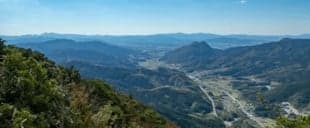
Spring Peak Route
Said to have been opened in the late 7th century by En no Gyoja, this route is based on the old mine-iri path connecting Mount Homan to Hikosan. It passes natural highlights such as the boxwood old-growth forest on Mount Kosho and the beech forest along the ridge of Mount Mami. Past Koishiwara, the mood shifts, and the trail continues through sites steeped in Shugendo history and culture, including the Gyoja Cedars, 深仙者宿 — a site tied to the training of En no Gyoja, the founder of Shugendo — and Kaifuki Pass.

Oshioi-tori Route
This route is based on "Oshioi-tori," one of Hikosan's oldest Shinto rites. Every year on the last day of February, as part of the Matsue Kinensai festival rites at Hikosan, participants follow roughly 40 kilometers along the Imagawa and Haraigawa river basins to Kutsuo Beach and Ubagafutokoro in Yukuhashi City, where they purify themselves, draw seawater into a bamboo tube, and carry it back to Hikosan to purify the mountain grounds — a practice continued for over a thousand years since the Heian period.
Campaign Overview
- Name: Hikosan Pilgrimage Route Digital Badge Campaign
- Period: September 14 to December 7, 2026
- How to earn badges: Record an activity log in the YAMAP app while passing designated summits along the Autumn Peak Route; collecting three or more digital badges unlocks the "Pilgrimage Completion Digital Badge"
- Reward: An original tenugui hand towel for the first 500 people who show their "Pilgrimage Completion Digital Badge" at the office beside Hikosan Shrine's Lower Shrine, or at the shrine office in front of the Hōheiden Hall
- Target summits: Mount Sarakura, Mount Fukuchi, Mount Ganjaku, and Nakadake, the summit of Hikosan
More details: https://yamap.com/magazine/75210