Japanese restaurant "Genji" at Hilton Nagoya (Nagoya, Aichi Prefecture) will serve "The Tale of Genji" Chapter 3 "Ukifune" (浮舟) Matoya Oyster Kaiseki from November 30 (Monday), 2026. It is part of the restaurant's signature kaiseki series that showcases the bounty of the three Tokai prefectures.
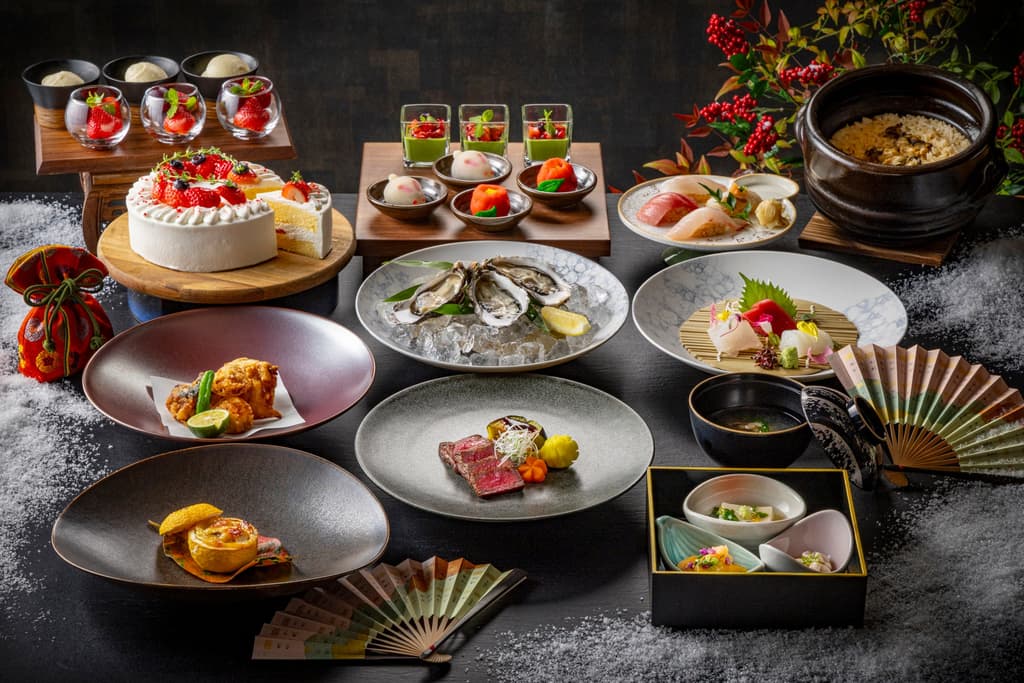
Following "Yugao" (夕顔) in summer and "Momiji no Ga" (紅葉賀) in autumn, this winter's third chapter features Matoya oysters, a branded oyster raised in Matoya Bay in Shima, Mie Prefecture. Grown with aquaculture techniques handed down for more than 100 years, Matoya oysters are known for having little fishy odor or harshness, along with plump flesh, a delicate sweetness, and rich umami. The chef has combined them with seasonal ingredients that the chef personally selected to create a kaiseki meal suited to winter. The course expresses the appeal of Matoya oysters through a variety of cooking methods, including fresh raw oysters, yuzu-kama-yaki (grilled oysters scented with yuzu), and kamameshi (rice cooked in a pot) that locks in their umami. Winter favorites such as monkfish liver (ankimo), kumoko (cod milt), and fugu are also woven into the menu, offering flavors available only in this season.
After the meal, the Dessert Station Wagon, a popular feature at "Genji," comes to the table. Guests can choose two items from seasonal Japanese and Western sweets, seasonal fruits, and more.
"The Tale of Genji" is the signature kaiseki of Japanese restaurant "Genji," created season by season around ingredients raised in the three Tokai prefectures of Aichi, Gifu, and Mie, with an emphasis on connections with producers. Inspired by "Genji-kō," a traditional design closely tied to the restaurant's name, each season's kaiseki is named after one of the 54 chapters of The Tale of Genji. The series lets guests enjoy seasonal flavors from the rich nature of the Tokai region throughout the year.
The kaiseki, filled with the bounty of each season, suits a range of occasions, including business entertaining and dining, family celebrations, betrothal ceremonies, and anniversaries.
"The Tale of Genji" Chapter 3 "Ukifune" Matoya Oyster Kaiseki Overview
Venue: Hilton Nagoya, Japanese Restaurant "Genji," 3F Kaiseki Corner
Period: November 30 (Mon), 2026 to February 14 (Sun), 2027
Hours: Dinner 5:00 PM to 9:30 PM (L.O. 8:30 PM)
Price: ¥16,000 per person (tax and service charge included)
Details and reservations:
- Official website: https://nagoya.hiltonjapan.co.jp/restaurants/lp/genji-monogatari-winter
- Tel. 052-212-1151 (Restaurant Reservations)
Sample Menu
Appetizer (Sakizuke): Matoya Oyster, Sesame Tofu, Chrysanthemum Sauce
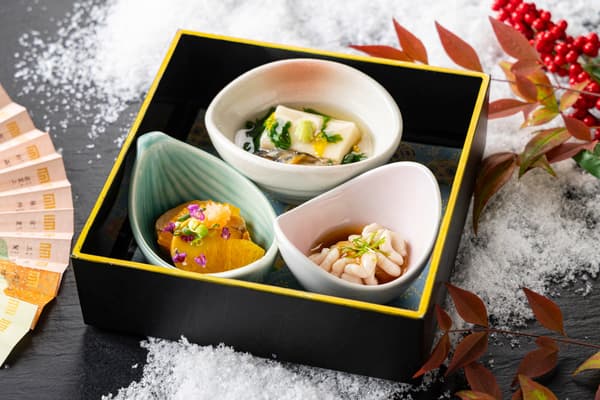
Winter flavors such as Matoya oysters, monkfish liver, and kumoko (cod milt) are arranged in small portions, each bringing out its own character.
Sashimi (Otsukuri): Fresh Raw Matoya Oysters or Sashimi of Fresh Fish Delivered Directly From Owase
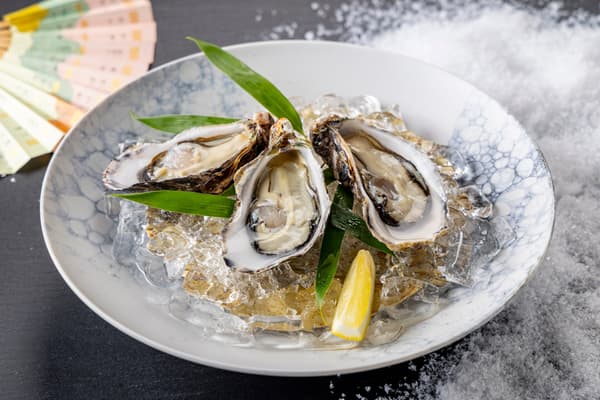
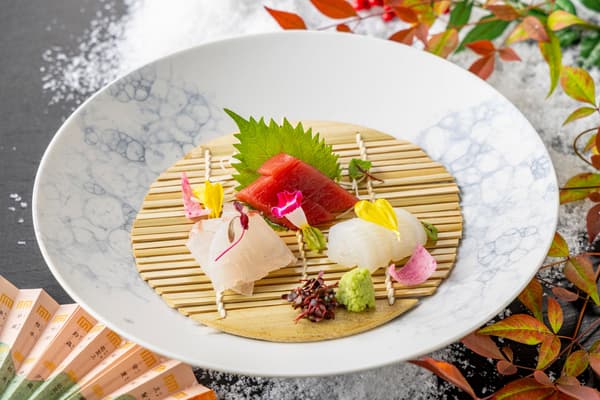
The oysters are served raw to highlight their freshness. Guests can enjoy the clear umami and mellow sweetness of Matoya oysters through the flavor of the ingredient itself.
Soup (Owan): Matoya Oyster Suri-nagashi
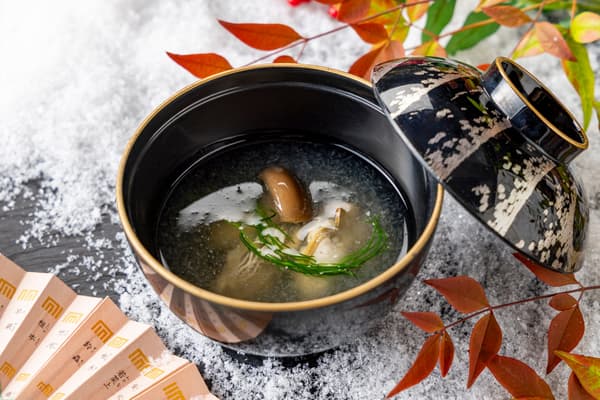
A bowl that carefully draws out the umami of Matoya oysters. Rich flavor spreads within its gentle texture.
Grilled Dish (Yakimono): Yuzu-Kama-Yaki Matoya Oysters
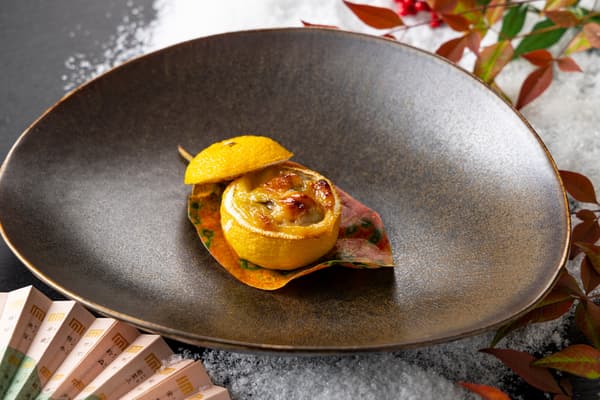
The refreshing aroma of yuzu and the rich umami of grilled oysters come together in a flavor that suits winter.
Fried Dish (Agemono): Fugu Tatsuta-age
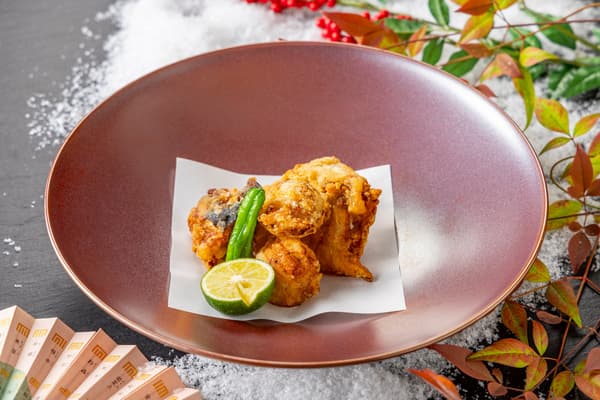
The springy texture and refined umami of fugu are paired with the refreshing aroma of sudachi.
Main Dish (Shiizakana): Miso-Flavored Domestic Beef Steak, Eggplant Dengaku
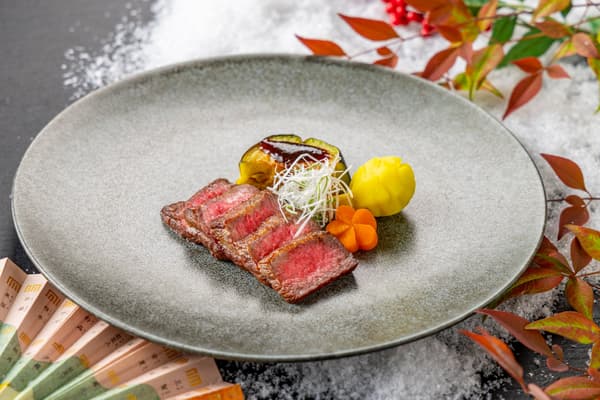
The richness of miso, familiar in the Tokai region, brings out the umami of the domestic beef, making this dish an accent of the kaiseki.
Rice Course (Shokuji): Matoya Oyster Kamameshi or Nigiri Sushi of Fresh Fish Delivered Directly From Owase
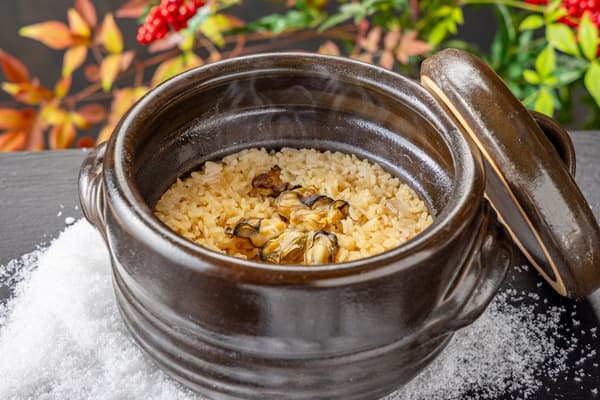
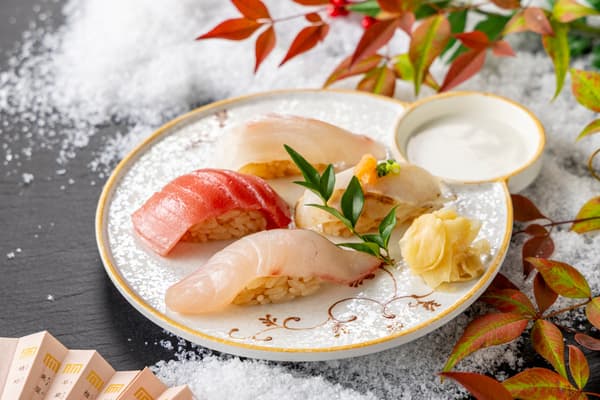
Guests can choose between kamameshi that locks the umami of Matoya oysters into every grain of rice, or nigiri sushi made with fresh fish delivered directly from Owase, a choice guests can make to suit the mood of the day and a hallmark of the hospitality at Japanese restaurant "Genji." It is served with red miso soup flavored with Hatcho miso.
Dessert: Dessert Station Wagon Service
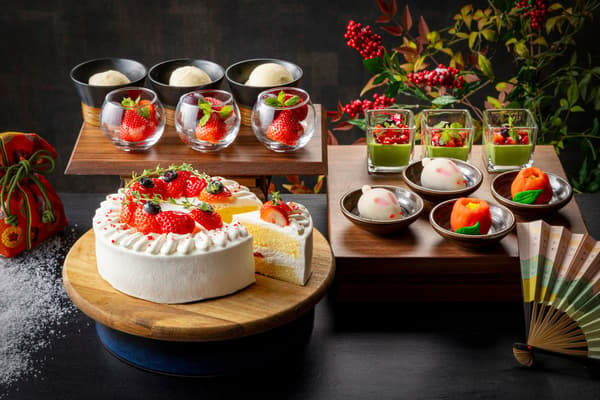
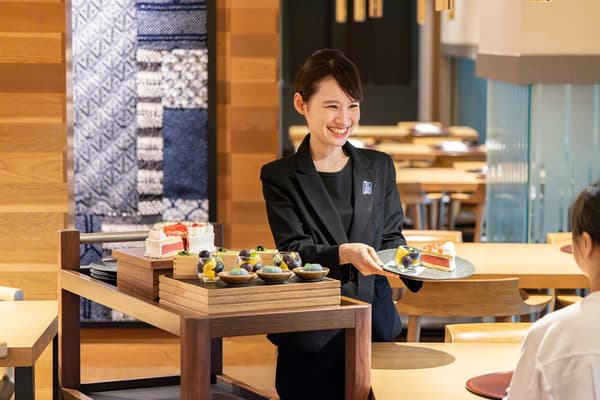
A dessert wagon stocked with seasonal fruits, Japanese sweets, and Western sweets is brought to the table. Guests can choose two desserts from six varieties.
About Genji-kō
Genji-kō is a type of kumikō (incense-comparison game) in kōdō, the traditional Japanese art of incense. The combinations identified through listening to the incense are recorded as patterns made of five lines. The 52 patterns are named after 52 of the 54 chapters of The Tale of Genji, excluding "Kiritsubo" and "Yume no Ukihashi." Genji-kō patterns are also incorporated throughout the interior of Japanese restaurant "Genji."
Head Chef of Japanese Restaurant "Genji" (Teppanyaki, Kaiseki, Sushi, Tempura): Tatsuya Ito (伊東達矢)
Born in Hyogo Prefecture. After working at restaurants in Kobe and Takamatsu in Shikoku, among other places, he joined the teppanyaki section of Japanese restaurant "Genji" when Hilton Nagoya opened in 1989, where his solid skills and witty talk made him popular. He later gained experience with the multinational cuisine of a hotel, including French, Italian, and Asian dishes, in the main kitchen of Hilton Nagoya and at the brasserie "The Terrace," and was appointed head chef of the brasserie in 2007, broadening his skills and knowledge. Recognized for the high level of his Japanese and Western techniques, refined over many years, and for the creativity drawn from his wide-ranging knowledge, he became head chef of teppanyaki at "Genji" in 2016 and executive chef of Japanese restaurant "Genji" in 2018.