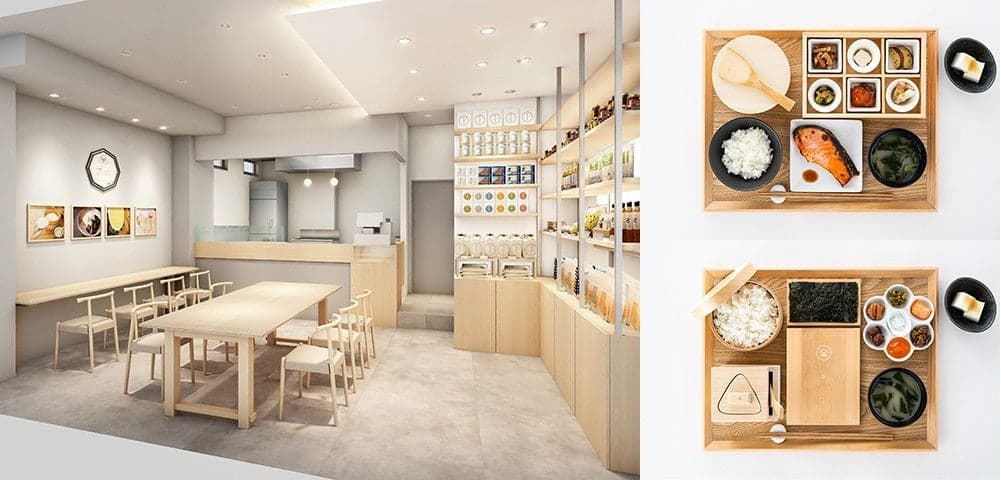
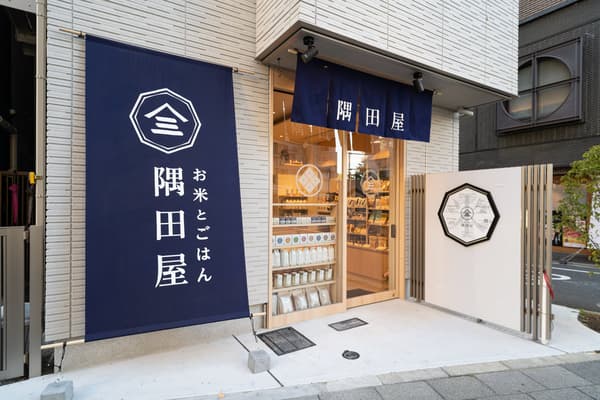
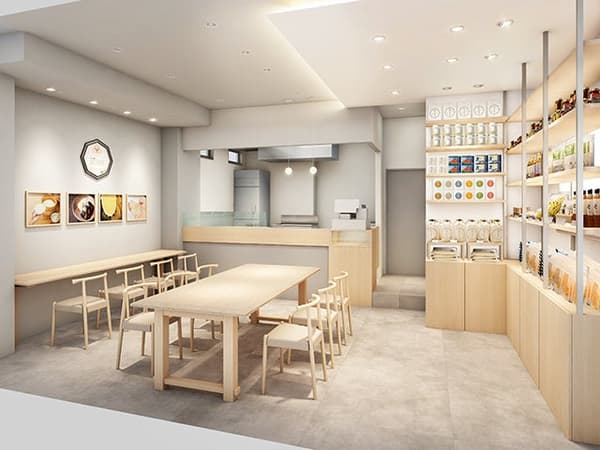
On March 17, 2026, "Okome to Gohan Sumidaya Asakusa" opened its doors at 2-13-9 Hanakawado, Taito-ku, Tokyo (Maruishi Asakusa 1F). The new location follows the main shop in Sumida Ward and the Azabudai Hills store, making it the third outpost for Sumidaya, a rice merchant with 120 years of history. More than just a retail outlet, the Asakusa store functions as an experiential antenna shop where guests can "taste, learn about, and enjoy rice."
From "Full Stomachs" to a Refined Choice — Four Generations of Challenge
Sumidaya was founded in 1905 on the banks of the Sumida River. The first generation built trust as a neighborhood rice shop; the second worked tirelessly during wartime food shortages with a heartfelt desire to see customers eat their fill. The third shifted focus toward quality during the postwar economic boom, pursuing ever-tastier rice.
Now in its fourth generation, the family's guiding theme has become making rice something to be savored as a specialty item — not a daily commodity, but something selected according to the day's mood or dish. The shop has continued to expand the possibilities of rice through purpose-specific varieties, custom blends for restaurants, and exports to around five countries abroad. The Asakusa location embodies that philosophy.
Slow Milling to Lock In Umami
Sumidaya's greatest distinction is its trademarked "ancient milling technique." While conventional milling removes the outer layers in a single pass, Sumidaya divides the process into 7 to 10 stages, applying gentle pressure each time and using a large circulating mill that polishes the grains against one another.
"Heat and strong pressure can strip away aroma and umami," explains Kayoko Matsufuji, Managing Director of Sumidaya. "That's why we don't cut corners. By taking our time, we preserve the outer umami layer and achieve a faint golden, amber hue. It's not the bright white of ordinary polished rice — that amber color is the source of the flavor."
The Art of Sumidaya's Original Blended Rice
Sumidaya also places great emphasis on blending. While blending is commonplace in coffee and wine, the world of rice has long been dominated by a single-variety mindset. Yet rice, too, is an agricultural product whose flavor shifts subtly with each year's climate and soil conditions.
An artisan who holds the "Blend Maestro" certification — one of only three people in Japan with this qualification — oversees the process, assessing aroma, stickiness, sweetness, texture, and appearance, and combining each variety's strengths to create a result greater than the sum of its parts. Purpose-specific formulations also make it possible for the rice to taste delicious even after it cools.
"At Sumidaya, we think of it as: 30% ingredients, 30% milling, 40% cooking," the team notes. "Sourcing good rice alone isn't enough. The philosophy is that it only becomes truly delicious rice when milling and cooking are part of the equation."
An Antenna Shop for Experiencing Rice with All Five Senses
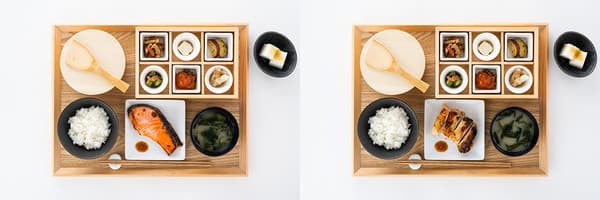
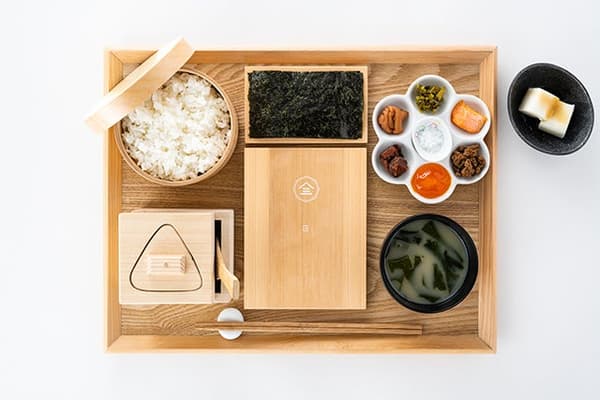
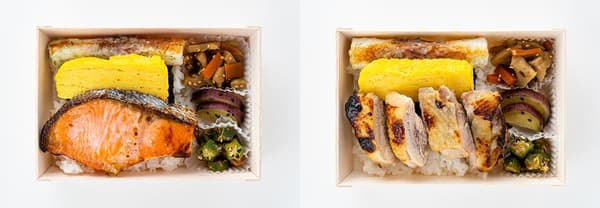
The new store offers a menu designed to let guests feel this craftsmanship firsthand. The flagship items are the Ohitsu Gozen (rice served in a wooden pot), the Omusubi Gozen (rice ball set), and the Koji-Fragrant Master Rice Bento — three courses built around Sumidaya's milling and blending techniques.
The Ohitsu Gozen and the bento come in two varieties — fish and chicken — prepared with rice koji, additive-free seasonings, and rice oil. The bento, which must prove its worth when eaten cold, achieves well-defined grains, lasting sweetness, and a non-sticky texture through Sumidaya's methods.
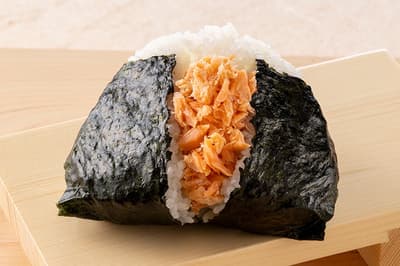
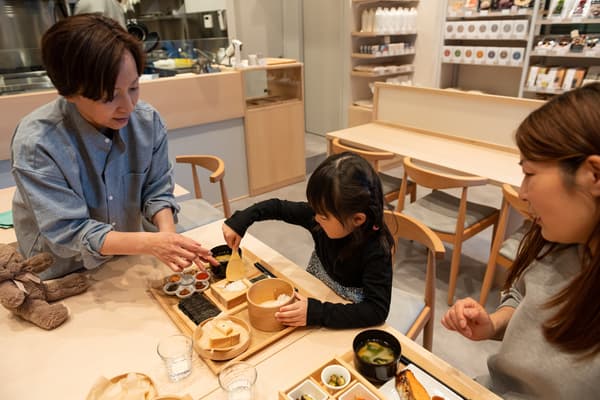
The Omusubi Gozen is a hands-on set where guests shape their own rice balls using a Sumidaya original mold. "We recommend starting with just salt so you can appreciate the sweetness of the rice itself, then moving on to savor the harmony with the carefully selected fillings," says the shop. "The taste of a freshly made rice ball is one to be experienced — whether you're dining solo, with friends, or with your family."
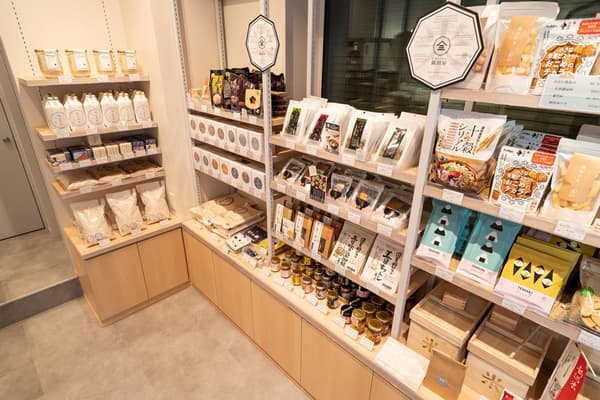
A bulk-rice counter also lets visitors choose their own blend and compare it side by side with single-variety rice, making the value of blending tangible.
Preserving Tradition and Passing It On
Rice has long held a special place in Japanese life — offered to the gods as sacred food, central to celebratory occasions, and a daily staple for generations. Yet as cooking habits change and convenience takes priority, fewer people are cooking rice at home. That is why Sumidaya aims to share not only the rice itself but also how to cook and store it properly — rinsing it carefully, soaking it fully, and fluffing it to enhance its umami — showing how small, deliberate steps can transform the result.
The aroma of freshly cooked rice, the sweetness that persists even when cool, the beauty of each distinct grain: the Asakusa store invites guests to experience the depth of Japanese rice culture alongside the craftsmanship that Sumidaya has upheld for 120 years.
Okome to Gohan Sumidaya Asakusa
2-13-9 Hanakawado, Taito-ku, Tokyo 111-0033 (Maruishi Asakusa 1F)
Eat-In Menu
- Ohitsu Gozen (salmon) — ¥2,500
- Ohitsu Gozen (chicken) — ¥2,500
- Omusubi Gozen — ¥2,000
Takeout Menu
- Koji-Fragrant Master Rice Bento (salmon) — ¥1,280
- Koji-Fragrant Master Rice Bento (chicken) — ¥1,280
- Omusubi (seaweed and salt) — ¥300
- Omusubi (plum) — ¥380
- Omusubi (chicken soboro) — ¥450
- Omusubi (braised tuna) — ¥450
- Omusubi (salmon) — ¥450
All prices include tax. Eat-in items are subject to 10% consumption tax; takeout items are subject to 8% consumption tax. Menu information is current as of March 2026.